If you are shopping for a luxury condo in San Diego’s urban core, one number will not tell you enough. A neighborhood median can be helpful, but it cannot explain why two homes with similar square footage can command very different prices. To buy well, you need to understand how location, building quality, HOA health, and lifestyle fit work together. Let’s dive in.
Why San Diego luxury condos need a closer look
San Diego County’s attached market was active in April 2026, with a countywide median sales price of $680,000, 41 days on market, 2,554 active listings, and 3.6 months of supply. But the urban core tells a more layered story. In Downtown’s 92101 attached market, the median was $750,000 with 34 days on market, 363 active listings, and 8.6 months of supply.
Nearby 92103, which includes areas such as Hillcrest and Mission Hills, showed a $680,000 median, 36 days on market, 74 active listings, and 4.4 months of supply. Those differences matter because they show how inventory and pacing can shift even between close-in neighborhoods. For luxury buyers, building-level analysis is often more useful than broad neighborhood averages.
Downtown also is not a single uniform market. The City of San Diego identifies eight neighborhoods within Downtown, which is the center of business, arts, and entertainment. That means the condo mix can range from older conversions to newer high-rise towers, and that variety can create major pricing gaps.
One 2025 market estimate placed the average downtown San Diego luxury condo at about $1,399,788, or roughly $940 per square foot. That gives you a useful reference point for upper-tier product, but it still does not replace a close look at the exact building, floor, views, and amenity package.
The four drivers of condo value
Luxury condo pricing in urban San Diego is best understood through four lenses. When you view listings this way, you can compare homes more clearly and avoid overpaying for features that may not hold value.
Location precision
In the urban core, a few blocks can change the feel of daily life and the way buyers respond to a property later. Some homes offer closer access to the waterfront, some sit near Balboa Park, and some deliver a more residential setting while still keeping Downtown nearby.
Little Italy, for example, is described by the City of San Diego as a pedestrian-friendly community near Downtown’s North Embarcadero Waterfront. Balboa Park is also only minutes from Downtown, and Waterfront Park serves as the city’s main waterfront open space. For many buyers, that kind of access is part of the value, not just a nice extra.
Building quality
In luxury condos, the building itself can shape value as much as the unit. Buyers often pay premiums for features that are difficult to duplicate later, including protected views, higher floors, larger terraces, parking, storage, security, and strong building management.
That is why two homes with similar interiors can sell at very different prices. A better-run building with a stronger amenity package or more desirable siting can create real separation in the market. In top-tier downtown product, attended lobbies, concierge-style service, and private amenity access can also influence pricing.
HOA health
A beautiful lobby and polished marketing do not replace financial diligence. In California, HOA health is a major value driver because it affects monthly costs, future assessments, and the overall condition of the property.
California Civil Code Section 5550 requires a reasonably competent visual reserve inspection at least once every three years, annual review of that study, and a reserve funding plan for major components with less than 30 years of remaining life. California Civil Code Section 5605 also limits how much a board can raise regular assessments or levy special assessments without member approval. Together, those rules make reserve planning an important part of condo due diligence.
Lifestyle fit
A luxury condo is both a financial purchase and a day-to-day lifestyle choice. The right fit depends on what kind of urban living you want now and what kind of buyer may want the home later.
Downtown often appeals to buyers who want the deepest amenity stack and the most intense urban feel. Bankers Hill often appeals to buyers who want a quieter residential setting with park access and views. Little Italy often appeals to buyers who want a walkable dining-and-waterfront lifestyle.
How neighborhoods shape the buying decision
San Diego’s urban neighborhoods each tell a different story, and that story influences pricing, demand, and resale potential. Looking past broad labels helps you understand what you are really buying.
Downtown: scale, service, and variety
Downtown offers range. You can find older condo conversions, full-service towers, and upper-floor residences with dramatic city or bay outlooks. Because Downtown includes multiple neighborhoods, one median price can hide substantial variation in product type and buyer experience.
This is also where inventory can feel more abundant. With 8.6 months of supply in 92101 in April 2026, buyers may have more room to compare options carefully. That can be an advantage if you are focused on value and willing to be selective.
Bankers Hill: views and residential character
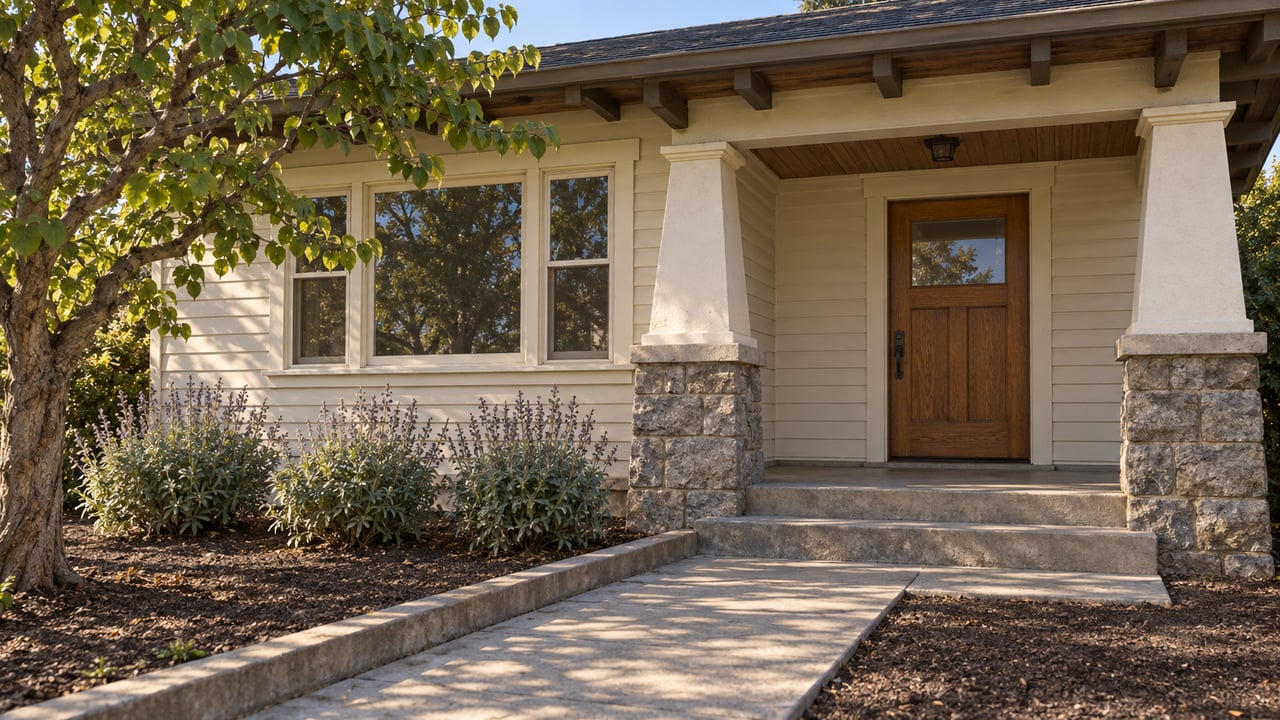
Bankers Hill stands apart because of its setting and architectural mix. It sits north of Downtown and west of Balboa Park, and local sources describe panoramic city views and a blend of Victorian and Craftsman buildings, some converted into condominiums.
That combination helps explain why value here is often tied to view corridors, siting, and whether a property is in a tower or a boutique conversion. If you appreciate design, a more residential feel, and close park access, these details can matter as much as square footage.
Little Italy: walkability and waterfront access
Little Italy adds a strong lifestyle component to the value equation. Its pedestrian-friendly character and proximity to the waterfront can make it especially appealing to buyers who want convenience and energy right outside the building.
In neighborhoods like this, the address supports the resale story. Buyers are often paying not only for the residence itself, but also for the rhythm of daily life the location makes possible.
What to review before you make an offer
In San Diego’s luxury condo market, due diligence should go beyond finishes and floor plans. The documents behind the building can tell you whether dues reflect real operating costs and whether future expenses may be building.
For resale condos in California, Civil Code Section 4525 requires the seller to provide key documents, including governing documents, approved but not-yet-due assessment changes and fees, rental restrictions if any, board meeting minutes if requested, and the most recent inspection report required by Section 5551. For new projects, the California Department of Real Estate says the public report is a critical disclosure document because it explains the CC&Rs, HOA costs and assessments, and other material information before a buyer becomes obligated.
Key condo documents to request
Before you write an offer or remove contingencies, pay close attention to these items:
- HOA budget
- Reserve study
- CC&Rs
- Insurance summary
- Board meeting minutes
- Any pending assessment notices
These documents can help you answer practical questions. Are reserves being funded responsibly? Have owners been discussing major repairs? Do the dues match the building’s true cost structure?
Why insurance matters more than many buyers expect
Insurance is a key part of condo ownership, especially in a shared building. The California Department of Insurance says a unit-owner policy typically covers personal property, loss of use, liability, and interior improvements, while the HOA generally insures the building structure and common areas.
That division is important because it affects your budget and your risk. The California Department of Insurance also notes that loss-assessment coverage may matter if the association levies assessments after a loss.
Earthquake exposure adds another layer. The same state guidance notes that condo owners may need coverage for belongings and may also need insurance that helps pay a condo association assessment for repairs or for a master-policy deductible. When you compare buildings, insurance structure should be part of the conversation, not an afterthought.
How to compare luxury condos wisely
When you tour urban condos, it helps to look at each property through a simple decision framework. Instead of focusing only on list price or finishes, compare homes in a way that reflects how value is really created.
Ask yourself:
- How precise is the location within the neighborhood?
- What is hard to replace later, such as views, floor height, terrace space, parking, or storage?
- How strong do the HOA finances and records appear?
- Does the building’s style and setting fit how you want to live?
- What story will this address tell to future buyers?
This kind of framework can keep you grounded in facts. It also helps you spot when a condo is priced fairly for its building and setting, and when a number may be leaning too heavily on surface-level appeal.
A more strategic way to buy in San Diego
The best luxury condo purchases usually happen when you balance emotion with discipline. You want a home that feels right, but you also want a building and location that make sense on paper.
In San Diego’s urban core, that means looking beyond neighborhood medians and digging into building-level differences. A tower with stronger management, better reserves, more protected views, or a more compelling lifestyle setting can justify a premium. A similar-looking unit in a weaker building may not.
If you want clear guidance as you compare Downtown, Bankers Hill, Little Italy, or other Metro San Diego condo options, the [Jeff Davidson Group] brings neighborhood fluency, design awareness, and a finance-minded approach to help you evaluate what truly drives value.
FAQs
What makes San Diego luxury condo pricing different from standard condo pricing?
- Luxury condo pricing in San Diego often reflects location precision, building quality, HOA health, and lifestyle fit, not just square footage or finishes.
What does the April 2026 Downtown San Diego condo market look like?
- In 92101, the attached market showed a $750,000 median sales price, 34 days on market, 363 active listings, and 8.6 months of supply.
What should buyers review in a San Diego condo HOA package?
- Buyers should closely review the HOA budget, reserve study, CC&Rs, insurance summary, board meeting minutes, and any pending assessment notices.
Why is HOA reserve funding important for California condo buyers?
- Reserve funding helps buyers understand whether a building is planning responsibly for major future repairs and whether dues reflect real long-term costs.
How is condo insurance divided in California associations?
- The HOA generally insures the building structure and common areas, while a unit-owner policy typically covers personal property, loss of use, liability, and interior improvements.
Which San Diego urban neighborhood may fit different condo lifestyles?
- Downtown may fit buyers seeking a denser urban setting and broad amenities, Bankers Hill may fit buyers seeking a quieter residential setting with park access and views, and Little Italy may fit buyers seeking walkable dining and waterfront access.
Jeff Davidson Group | Pacific Sotheby's International Realty
Jeff Davidson, Broker Associate | CA DRE: 01165106
619.855.7300 | [email protected]